P Diddy Arrested Clone: Unraveling The Rumors And Facts - P Diddy Every Move I Make MP3: A Comprehensive Insight Into The Iconic Track Beyond the scientific aspects, the "P Diddy arrested clone" rumor underscores the public's fascination with celebrity culture and the extent to which people are willing to entertain fantastical ideas about their favorite stars. This phenomenon is not unique to P Diddy; throughout history, celebrities have been the subject of various myths and legends that capture the imagination of the public.
P Diddy Every Move I Make MP3: A Comprehensive Insight Into The Iconic Track
Sean John Combs, known professionally as P Diddy, Puff Daddy, or simply Diddy, is a multifaceted American musician, record producer, and entrepreneur. Born on November 4, 1969, in Harlem, New York City, Combs rose to prominence in the 1990s as the founder of Bad Boy Records. His influence in the music industry is undeniable, having discovered and promoted some of the most iconic artists of the era, including The Notorious B.I.G., Faith Evans, and Mase.
One of the most significant controversies in Combs' career occurred in the late 1990s, when a nightclub shooting involving the rapper Shyne led to legal troubles for Combs. Although Combs was acquitted of all charges, the incident brought intense media attention and sparked debates about the culture surrounding hip-hop artists.
No, there is no credible evidence to support the claim that P Diddy has been involved in a cloning scandal. The rumor likely originated as a satirical or speculative piece of content that was taken out of context and amplified by social media users.
From a scientific standpoint, cloning involves the manipulation of genetic material to produce an organism with the same DNA as the original. This process requires advanced techniques in molecular biology and reproductive technology, and is typically performed in a laboratory setting.
While the origins of the rumor are unclear, it likely began as a satirical or speculative piece of content that was subsequently taken out of context and amplified by social media users. The notion of cloning, with its science fiction overtones, adds an element of intrigue and mystery that resonates with audiences, further fueling the rumor's spread.

Throughout his career, P Diddy has remained a prominent figure in popular culture, known for his dynamic persona and ability to reinvent himself. His influence extends beyond music and fashion, as he continues to inspire future generations of artists and entrepreneurs with his relentless drive and innovation.
The label's early success can be attributed to its roster of talented artists and Combs' keen business acumen. Bad Boy Records quickly became synonymous with the East Coast hip-hop scene, producing chart-topping hits and establishing Combs as a formidable force in the industry. P Diddy's own musical career took off with the release of his debut album, "No Way Out," in 1997, which included hits like "I'll Be Missing You" and earned him a Grammy Award for Best Rap Album.
As the rumor gained momentum, it was picked up by various online forums and blogs, with some users speculating about the implications of cloning in the entertainment industry. Despite the lack of credible evidence to support the claim, the "P Diddy arrested clone" story continues to circulate, highlighting the power of viral content and the role of social media in shaping public narratives.
Raised by his mother after the untimely death of his father, Combs grew up in Mount Vernon, New York. He attended Howard University in Washington, D.C., where he studied business but left before completing his degree to pursue a career in the music industry. His early experiences at Uptown Records laid the foundation for his future success as a music mogul.
In recent months, the internet has been buzzing with an unusual story involving the renowned rapper and entrepreneur, Sean Combs, famously known as P Diddy. The phrase "P Diddy arrested clone" has surfaced as a hot topic, captivating the attention of fans and skeptics alike. Despite being a seemingly bizarre claim, it has sparked widespread curiosity and debate. As the rumor mill spins, many are left wondering about the origins and veracity of this peculiar tale. Could there be any truth to the claim that P Diddy has been involved in a cloning scandal, or is this just another sensationalized piece of celebrity gossip?
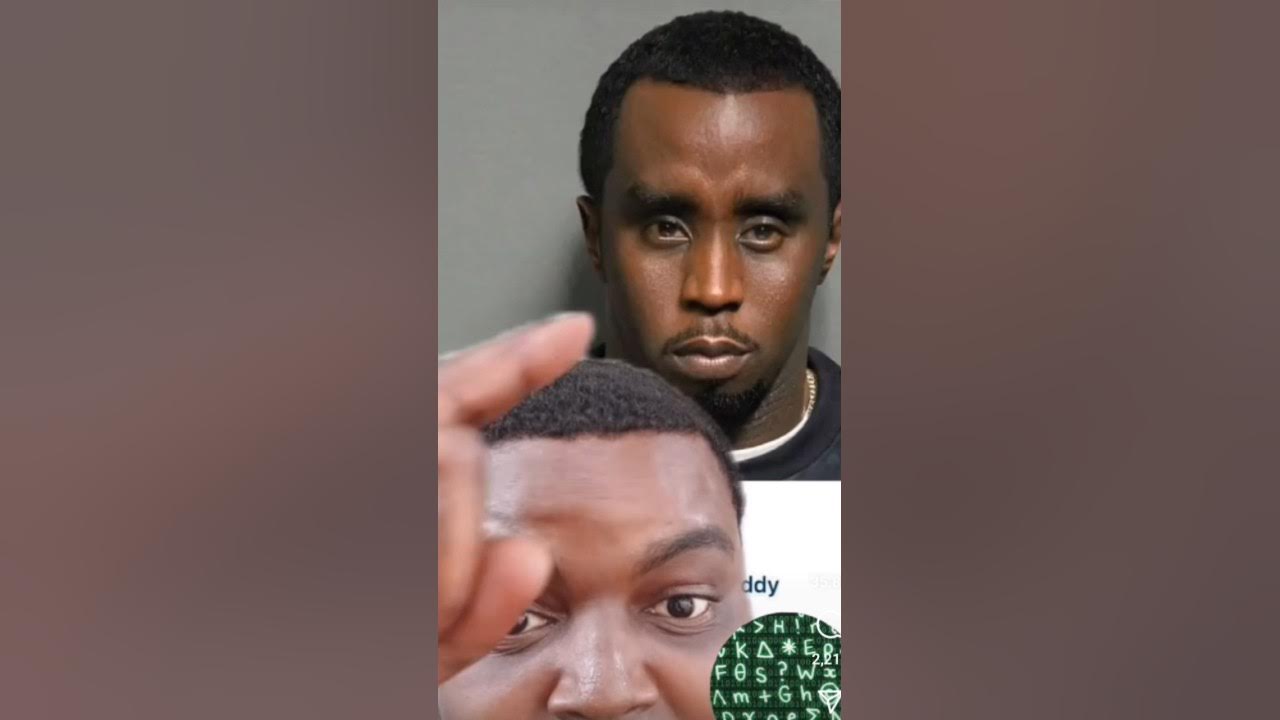
As we dissect the "P Diddy arrested clone" narrative, we'll also investigate the broader implications of cloning controversies in the public eye. This exploration will cover the societal fascination with cloning and the ethical dilemmas it presents. By analyzing the intersection of celebrity culture and scientific curiosity, we aim to provide a comprehensive understanding of this captivating and contentious topic. Let's embark on this journey of discovery, separating fact from fiction and uncovering the truth behind the headlines.
The "P Diddy arrested clone" claim presents a unique opportunity to examine the intersection of celebrity culture, scientific advancements, and public perception. While the idea of a celebrity clone may seem far-fetched, it raises important questions about the potential implications of cloning technology and its impact on society.
For celebrities, the spread of cloning rumors can be both a source of amusement and frustration. On one hand, the attention generated by such stories can enhance a celebrity's notoriety and keep them in the public eye. On the other hand, these rumors can also lead to misinformation and confusion, potentially affecting a celebrity's personal and professional life.
Cloning raises significant ethical concerns, including the potential for exploitation and abuse, the impact on genetic diversity, and challenges to our understanding of identity and individuality. These ethical considerations must be carefully weighed against the potential benefits of cloning technology.